When considering home maintenance, one area often overlooked is bathroom systems. Understanding how often should bathroom systems be replaced is essential for optimal performance. Many homeowners delay updates, which can lead to bigger issues. A faulty system can cause leaks, mold, and costly repairs.
Bathroom components like toilets, faucets, and showers have lifespans. Regular assessments can help pinpoint when replacements are necessary. Signs of wear may include persistent leaks or decreased water pressure. If you notice these issues, it’s time to reflect on the state of your systems.
Experts suggest updating systems every 10 to 15 years. However, depending on the quality of materials and usage, this can vary. Maintaining your bathroom is not just about aesthetics; it directly affects comfort and hygiene. Prioritizing replacements ensures a safe and efficient space while preventing future inconveniences.
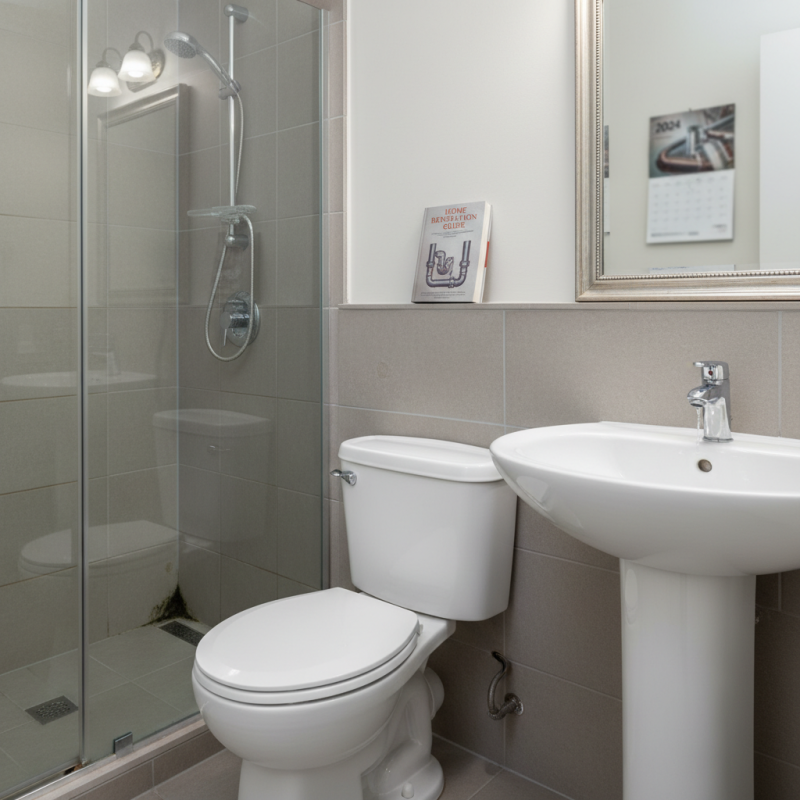
Bathroom systems play a crucial role in our daily routines, but their lifespan can vary significantly. Understanding the factors that affect their longevity is essential for optimal performance.
According to a report by the National Kitchen & Bath Association (NKBA), the average lifespan of a bathroom fixture is approximately 10-15 years, depending on usage and environment.
One major factor is water quality. Hard water can cause mineral buildup, damaging plumbing fixtures and reducing efficiency. Regular descaling can help extend the life of your systems. Another factor is the frequency of use. Homes with multiple bathrooms experience more wear and tear, potentially requiring earlier replacements. Additionally, environmental factors, such as humidity and temperature changes, can influence durability.
Tips: Consider installing a water softener to protect your fixtures. Regularly inspect your plumbing for leaks or wear. Upgrading to modern materials can enhance performance and longevity. Remember, not addressing these issues may lead to costly repairs down the line. Prioritize maintenance to ensure your bathroom systems remain in top shape.
Bathroom systems require timely replacement for optimal performance. Signs that indicate it's time to replace them include persistent leaks, low water pressure, and frequent clogs. If you notice any of these issues, it might be a warning sign. Sometimes, homeowners ignore these symptoms. This can lead to bigger problems down the line.
Pay attention to rust or discoloration in fixtures. These visual cues often signal age and wear. Mold around seals can indicate water damage, an overlooked issue. Replace systems if they show these signs. Tips for maintaining bathroom systems include regular inspections and cleanings. Ensure that all components are functioning well. This can extend the lifespan of your fixtures.
Another tip is to listen for unusual sounds. Whistling or banging from pipes can indicate trouble. These noises shouldn't be dismissed. Addressing problems early can save both time and money later. Being proactive is essential for maintaining an efficient bathroom system. Leaving issues unresolved often results in costly repairs and inconvenience.
When it comes to bathroom fixtures, knowing when to replace them can enhance both performance and safety. According to industry data, most experts recommend replacing faucets every 10 to 15 years. This timeframe accounts for wear and tear. A worn faucet may lead to leaks and inefficient water use, which can impact your utility bills.
Toilets have a longer lifespan, typically lasting 20 to 30 years. However, signs of leaking, frequent clogs, or uneven flushing can indicate the need for replacement. Studies suggest that older toilets use much more water per flush compared to modern models. This inefficiency directly affects water costs and environmental impact.
Showers and bathtubs often require replacements every 15 to 20 years. Cracks, mold, or discoloration can be indicators of age. In some cases, these fixtures may even harbor bacteria. Regular inspections can reveal wear and help you make informed replacements. Recognizing these signs early can prevent larger renovations and improve comfort and hygiene in your bathroom.
| Bathroom Fixture | Recommended Replacement Frequency | Signs of Wear |
|---|---|---|
| Toilet | 5-10 years | Frequent clogs, leaks, or cracks |
| Showerhead | 6-8 years | Low water pressure, mineral buildup |
| Faucet | 10-15 years | Leaking, outdated design |
| Bathtub | 10-20 years | Chips, cracks, discoloration |
| Sink | 10-15 years | Cracks, stains, drainage issues |
Maintaining your bathroom systems is crucial for their longevity. Regular checks can prevent major issues from arising. For example, inspecting faucets for leaks can save water and reduce costs. Routine maintenance also ensures that systems operate efficiently, thus enhancing overall performance.
Tips: Schedule monthly inspections for fixtures. Look for signs of wear, such as rust or corrosion. This proactive approach can extend the life of your bathroom systems, keeping them in optimal condition.
Neglecting bathroom maintenance can lead to significant problems. For instance, a small leak can turn into extensive water damage over time. Regularly cleaning drains can help prevent clogs, which could cause unexpected failures. Addressing minor issues promptly can save you from costly repairs down the line.
Tips: Keep a maintenance log. Record any repairs or inspections you perform. This can help track recurring problems and provide insights into future needs. Doing so creates a reliable history of your bathroom systems.
Upgrading bathroom systems can significantly enhance performance and overall user experience. Research highlights that outdated systems can lead to inefficiencies. A study by the National Association of Home Builders revealed that homes with modern plumbing fixtures can save up to 30% on water usage. This not only lowers utility costs but also contributes to environmental sustainability.
Modern bathroom systems also improve safety and comfort. For instance, elderly individuals benefit from slip-resistant flooring and walk-in showers. The CDC reports that falls are the leading cause of injury among seniors. Updating these systems can directly reduce injury risks. Furthermore, advanced ventilation helps eliminate excess moisture, decreasing the likelihood of mold growth, which can lead to serious health concerns.
However, not all upgrades are straightforward. Retrofitting older plumbing or electrical systems can involve unforeseen challenges. Installation delays or unexpected costs can arise. Additionally, homeowners must balance aesthetic choices with functional improvements. Opting for the latest trends may not always align with long-term durability. Striking this balance requires careful thought and professional assessment.
: Regular maintenance prevents major issues and extends the life of bathroom systems.
Look for signs of wear, such as rust, corrosion, or leaks.
Neglect can lead to significant problems like water damage from a small leak.
Monthly inspections are recommended to ensure everything is functioning properly.
Record any repairs, inspections, and recurring issues to track needs over time.
Upgrades enhance performance, save water, and improve safety and comfort.
Studies suggest up to 30% savings on water usage with modern fixtures.
Yes, retrofitting can cause delays and unexpected costs during installation.
Latest design trends may not always be durable, requiring careful consideration.
Upgrading can significantly improve user experience and reduce future costs.
When considering how often should bathroom systems be replaced, various factors can influence their lifespan, including usage frequency, material quality, and maintenance efforts. Signs that it might be time for a replacement include persistent leaks, inefficient water flow, and visible wear or damage. Understanding the recommended replacement frequency for different bathroom fixtures—such as toilets, faucets, and shower systems—can help homeowners make informed decisions.
Moreover, regular maintenance plays a crucial role in extending the longevity of bathroom systems, which can ultimately lead to significant cost savings by delaying replacement needs. Upgrading bathroom systems not only enhances performance but can also improve energy efficiency and aesthetics. Therefore, planning for timely replacements and mindful upkeep ensures that bathroom systems function optimally for years to come.

Toilvora Toilet