10 Best Smart Bathroom Systems That Will Shape the Future?

Time:2026-07-05 Author:Ethan
0%

As we delve into the evolving world of smart bathroom systems, one question stands out: what is the future of smart bathroom systems? Industry expert Dr. Emily Parker, a leading researcher in home automation, emphasizes, "The future lies in seamless integration and personal health monitoring." This statement captures the essence of innovation within modern bathrooms.

Smart bathroom systems are increasingly designed to enhance comfort and efficiency. Imagine a shower that adjusts water temperature based on your preferences or a mirror that displays your health metrics. Such technologies are not just futuristic wishes; they are on the brink of becoming everyday realities. However, with advancements come challenges. Privacy concerns and data security remain critical issues that require attention.

The integration of AI and IoT into bathroom systems can revolutionize daily routines. For instance, an intelligent toilet can optimize water usage and promote sustainability. Yet, it’s essential to consider the balance between automation and user control. As we explore these ten best smart bathroom systems, we must reflect on how they will shape our lives and environment in the coming years.
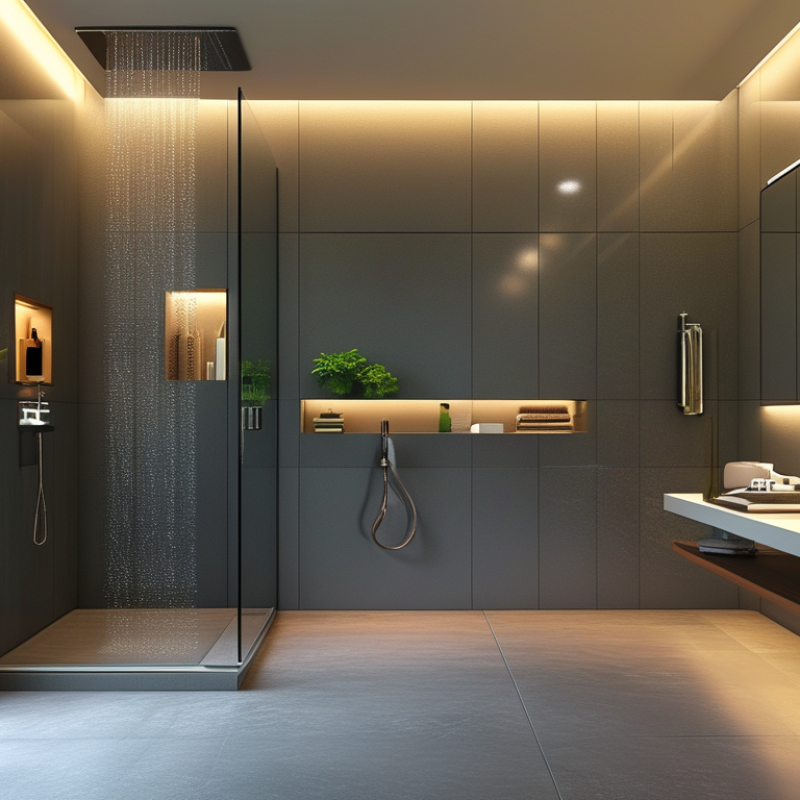
10 Best Smart Bathroom Systems That Will Shape the Future?

The Evolution of Smart Bathroom Technology

The landscape of bathroom technology is undergoing significant changes. Recent reports indicate that the global smart bathroom market is anticipated to reach $27 billion by 2026. This figure underscores the growing consumer demand for advanced features that enhance convenience and efficiency. Smart shower systems, automatic faucets, and intelligent toilet technologies exemplify this evolution.

Innovations are now focused on sustainability and health monitoring. For example, smart mirrors can analyze skin conditions and suggest personalized skincare routines. Data-driven insights help users stay informed about their health. However, privacy concerns loom large in this realm, as the integration of technology raises questions about data security. Some consumers are hesitant to adopt smart devices due to fears of data breaches.

The integration of IoT devices in bathrooms promotes efficiency. Smart lighting adjusts based on occupancy, significantly reducing energy costs. However, the learning curve can be steep. Users may find it challenging to navigate various apps and settings. This complexity can lead to frustration, highlighting a need for intuitive design in future innovations. Balancing functionality and user-friendly experiences remains a crucial hurdle in this evolving industry.

Key Features of Smart Bathroom Systems

Smart bathroom systems are revolutionizing how we experience personal hygiene and comfort. These systems offer innovative features that enhance convenience and efficiency. One key feature is automated water temperature control. Imagine stepping into a shower that adjusts to your preferred heat within seconds. This technology minimizes the wait time and promotes a more enjoyable showering experience.

Another significant aspect is smart lighting. Motion-activated lights guide you during late-night visits, creating a safer environment. The ability to customize lighting intensity and color can alter the mood of the space. Additionally, integrated sound systems provide soothing background music or nature sounds, promoting relaxation. This combination of comfort and safety highlights the evolution of bathroom design.

Moreover, many smart systems include hygiene-focused features. Self-cleaning toilets utilize advanced technology to maintain cleanliness without chemical cleaners. This capability not only saves time but also reduces environmental impact. However, some users might find the technology overwhelming. Complexity can deter individuals who prefer simple solutions. Balancing high-tech features with ease of use is an ongoing challenge in smart bathroom innovation.

10 Best Smart Bathroom Systems That Will Shape the Future

This chart illustrates the popularity of various key features found in smart bathroom systems. As technology progresses, features like smart lighting and voice activation are becoming essential for modern bathrooms, reflecting the shift towards more efficient and user-friendly spaces.

Top Innovations Shaping the Future of Bathroom Automation

The bathroom is undergoing a transformation, thanks to smart technology. Innovations like touchless faucets, automatic lighting, and self-cleaning toilets are just the beginning. A smart bathroom system is designed to enhance comfort and efficiency. Imagine stepping into a perfectly lit space that adjusts to your mood with a simple voice command. The convenience is changing how we think about personal care.

Smart mirrors with integrated displays offer a glimpse into the future. They can give you the weather, news, or even health insights while you get ready. Yet, there are challenges. Privacy concerns related to data collection are significant. People might hesitate to adopt these innovations due to fears about their personal information being compromised.

Moreover, water conservation is a growing focus. Smart shower systems can monitor usage and adjust water flow accordingly. This helps prevent unnecessary waste. However, consumers must understand how to navigate these advanced features. Learning curves can deter usage and lead to frustration. Balancing innovation with user-friendliness is crucial as we embrace this new era in bathroom automation.

Impact of Smart Bathrooms on Home Energy Efficiency

Smart bathrooms are becoming essential in modern homes. These systems significantly enhance energy efficiency. Advanced technologies can reduce water and energy consumption. A report from the International Energy Agency indicates that smart technologies can cut household water use by up to 30%.


Smart toilets and faucets use sensors to minimize waste. They optimize water flow based on user behavior. Showers equipped with smart controls can adjust temperature and water usage. The potential to save up to 2,300 gallons of water annually per family exists. This stat emphasizes how impactful these installations can be.


However, adoption poses challenges. Installation costs can be high. Many homeowners hesitate due to upfront expenses, despite long-term savings. Additionally, some users find technology not intuitive. Integration with existing systems can also be complex. These factors may slow the shift to smarter bathroom solutions, prompting discussions on accessibility and usability in the market.

Future Trends in Smart Bathroom Systems and Consumer Preferences

The future of smart bathroom systems is rapidly evolving. Today’s consumers seek more than just functionality. They desire personalized experiences that enhance comfort and efficiency. For instance, smart mirrors may soon feature AI technology that analyzes skin conditions. This could lead to tailored skincare recommendations. Similarly, intelligent toilets could incorporate health monitoring. They might track hydration levels or even alert users to potential health issues.

Environmental sustainability is a key trend. Many consumers prefer water-saving devices. Smart showers may automatically adjust water temperature and flow based on user preferences. This not only conserves water but also reduces energy consumption. Additionally, smart lighting can adapt to natural light changes, promoting energy efficiency. However, the challenge lies in ensuring these systems are user-friendly. Complexity could deter some users, especially among older generations.

Privacy and security are growing concerns as well. With interconnected devices, data protection becomes vital. Consumers need assurance that their personal information remains secure. This highlights the need for companies to be transparent about data usage. Overall, while the innovations are exciting, there are important considerations for consumers. Balancing technology with usability and security will be essential as we shape the future of smart bathrooms.

10 Best Smart Bathroom Systems That Will Shape the Future

Feature Description Consumer Preference (%) Future Trend (2025)
Smart Showers Automated temperature control and water saving features. 78% Integration with IoT for personalized settings.
Smart Toilets Self-cleaning, bidet functions, and heated seats. 65% Health tracking features added.
Smart Mirrors Displays information like news, weather, and personal agenda. 72% Augmented reality features for virtual try-ons.
Automated Lighting Motion-sensor activated lighting systems. 70% Integration with voice-controlled assistants.
Smart Taps Voice-activated water flow and temperature control. 68% Environmentally friendly water usage analytics.
Water Quality Monitoring Sensors that detect water contaminants. 74% Real-time health hazard alerts.
Smart Scales Tracks weight and body composition metrics. 66% Integration with health monitoring apps.
Smart HVAC Systems Control humidity and air quality in the bathroom. 69% Advanced climate control features.
Smart Bathing Experiences Customized settings for bubble baths and temperature. 71% Pre-programmed relaxation modes.
Voice-Controlled Assistants Controls all smart features via voice commands. 75% Improved language and command recognition.

FAQS

: What is the purpose of smart bathroom technology?

: Smart bathroom technology aims to enhance comfort and efficiency in personal care spaces.

How do smart mirrors benefit users?

Smart mirrors provide weather updates, news, and health insights, making mornings more convenient.

Are there privacy concerns with smart bathrooms?

Yes, data collection raises privacy issues, leading some users to feel hesitant about adoption.

How do smart shower systems promote water conservation?

Smart showers monitor usage and adjust flow, preventing unnecessary water waste.

What challenges do homeowners face when adopting smart bathroom technology?

High installation costs and complex integration pose significant barriers to adoption.

Do smart toilets help in saving water?

Yes, smart toilets optimize water use based on user behavior, significantly reducing waste.

Can learning curves affect the use of smart bathroom features?

Yes, unfamiliar technology can lead to frustration, discouraging users from fully utilizing features.

How much water can a smart bathroom potentially save annually?

A smart bathroom can save up to 2,300 gallons of water per family each year.

Are advanced bathroom technologies user-friendly?

Many users find them unintuitive, which can hinder their willingness to embrace smart solutions.

What role does energy efficiency play in smart bathrooms?

Smart technologies can significantly lower water and energy consumption in modern homes.

Conclusion

The evolution of smart bathroom technology has transformed how we interact with our personal spaces, incorporating advanced features such as automatic lighting, water-saving systems, and temperature controls. As we explore the key characteristics of smart bathroom systems, it becomes clear that innovations like touchless faucets and integrated health monitoring are not just functional but also enhance the overall user experience.

When discussing what is the future of smart bathroom systems, we must consider the impact these technologies have on home energy efficiency, promoting sustainable living through reduced water and energy consumption. Emerging trends indicate that consumers are increasingly leaning towards interconnected devices that prioritize convenience, hygiene, and customization. As the demand for smarter homes grows, the future holds exciting possibilities for bathroom automation and user-centric design.

Ethan

Ethan

Ethan is a seasoned marketing professional with a deep expertise in our company's innovative product line. With a passion for sharing knowledge and insights, he takes the lead in regularly updating our corporate blog, where he explores industry trends, product features, and effective marketing......