In the world of bathroom design, durability is paramount. According to industry expert Dr. Sarah Wilkins, a recognized specialist in bathroom renovations, “Improving durability in bathroom equipment starts with understanding the materials.” This insight resonates well with homeowners and builders alike.
When considering how to improve durability of bathroom equipment, factors such as material choice, installation quality, and maintenance routines are crucial. For instance, opting for corrosion-resistant materials can significantly enhance the longevity of fixtures. Homeowners often overlook these details, which can lead to premature wear and costly replacements.
Moreover, regular maintenance is vital. Some may find it tedious, but it pays off in extending the life of bathroom equipment. Inadequate attention can result in issues that compromise both aesthetics and functionality. Therefore, embracing thorough research and expert advice can yield significant improvements in durability, and ultimately, satisfaction.
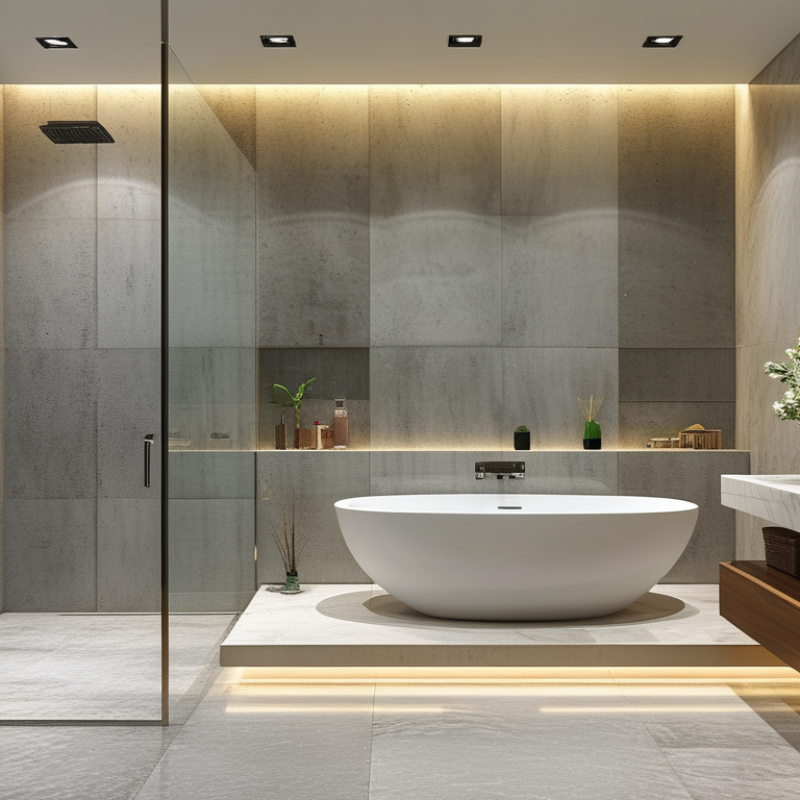
Bathroom equipment durability is essential. Regular use exposes these items to water, heat, and frequent contact. A lack of durability leads to premature replacement, causing inconvenience and added costs. Understanding how to improve longevity can save money and maintenance efforts.
One effective tip is selecting high-quality materials. Stainless steel and ceramic tend to resist wear better than plastic. Examine components like faucets and handles for solid construction. Ensure seals and joints are durable to prevent leaks. Regular maintenance is crucial. Simple tasks like cleaning water stains and replacing worn-out parts can significantly extend lifespan.
Another crucial aspect is installation. Proper placement and securing of fixtures can prevent damage. A balanced and careful approach during installation reduces stress on materials. Many failures occur from neglect. A little attention now can prevent costly repairs later, making your bathroom a lasting comfort.
Choosing the right materials for bathroom equipment is crucial for durability. Different materials offer varying levels of resistance to moisture, heat, and wear. For instance, ceramic and porcelain are popular choices due to their impermeability and ease of cleaning. However, they can chip easily, which raises concerns about long-term performance.
Consider metals for fixtures. Stainless steel is a common go-to because of its rust resistance. Yet, low-grade stainless steel can corrode over time. This highlights the need for careful selection. For countertops, solid surfaces resist stains better than laminate but often come at a higher price. Investing in quality materials can pay off in the long run.
Natural stone, like granite or quartzite, adds beauty but demands regular sealing to maintain its integrity. Installation errors can lead to water infiltration, which undermines durability. Make sure to weigh the pros and cons of each material before making a decision. Proper material selection requires both knowledge and reflection on future maintenance needs.
Maintaining bathroom equipment is essential for longevity. Regular practice can make a significant difference. Clean fixtures with a gentle solution. Avoid harsh chemicals that may damage surfaces. Dust and debris can gather quickly. Wipe down surfaces regularly to keep them fresh.
Check faucets and handles for leaks. A small drip can waste water and energy. Address any leaks promptly to prevent further issues. Test water pressure periodically. Low pressure might indicate clogs. Remove any mineral buildup around taps to maintain a smooth flow.
Inspect grout and seals often. Cracked grout can lead to moisture problems. Re-caulking may be necessary. Changing worn-out fixtures can improve aesthetics and functionality. Maintaining equipment requires diligent attention. Neglecting these tasks may lead to costly repairs in the future. Consider developing a maintenance schedule to keep everything in perfect condition.
Innovative technologies are transforming bathroom fixtures, enhancing durability significantly. Research shows that high-performance materials, like stainless steel and composite resins, are now standard in many modern installations. These materials resist corrosion and wear. They provide longevity that traditional materials often lack.
Smart technology also plays a role. Sensors in faucets and toilets help prevent damage from leaks and overflows. A study by the Bathroom Manufacturers Association indicated these features reduce maintenance costs by approximately 30%. This technology may require a higher initial investment, but the long-term savings are clear.
Another key trend is the development of anti-microbial surfaces. Such finishes reduce bacteria and mold growth, leading to healthier environments. However, not all coatings are equally effective. Some may wear off over time, prompting questions about their real-world effectiveness. Builders and homeowners must remain vigilant about the longevity of these technologies to ensure they deliver on their promises.
| Technology | Description | Durability Improvement | Expected Lifespan (Years) |
|---|---|---|---|
| Ceramic Coatings | High-performance ceramic layers that resist scratches and stains. | Reduces wear and tear significantly. | 15-20 |
| Stainless Steel | Corrosion-resistant metal ideal for faucets and accessories. | Enhances longevity and maintenance ease. | 20-30 |
| Impact-Resistant Plastics | Advanced polymers that withstand heavy usage and impacts. | Minimizes damage from drops or hits. | 10-15 |
| Water-Saving Technologies | Innovative fixtures that reduce water flow without sacrificing pressure. | Less frequent wear on plumbing components. | Up to 15 |
| UV-C Resistant Materials | Materials designed to resist degradation from UV exposure. | Increases lifespan of fixtures exposed to sunlight. | 15-25 |
When selecting bathroom products on a budget, quality is crucial. Look for materials known for their strength and durability. For instance, stainless steel fixtures often resist rust and wear better than plastic alternatives. While the initial cost may be higher, the longevity can lead to savings.
Consider the manufacturer's reputation. Research brands that prioritize customer feedback and have solid warranties. This indicates their commitment to quality. Certifications from reputable organizations can also be a sign of trustworthiness. Remember, a low price tag might seem appealing, but it often comes with compromises.
Take your time. Avoid impulse purchases. Inspect products for craftsmanship. A sturdy toilet seat should feel solid and not wobbly. Don't hesitate to ask questions about maintenance and care. Understanding these aspects can prevent future regrets. Choose wisely and shop with intention to ensure your bathroom remains functional and stylish for years.
: Durability prevents frequent replacements, saving money and reducing inconvenience. Regular use can cause wear from water and heat.
Select high-quality materials like stainless steel and ceramic. Regular maintenance is key to extending the lifespan.
Stainless steel and ceramic are strong choices. They resist wear better than cheaper materials like plastic.
Proper installation can prevent damage. Careful placement reduces stress on materials and avoids future repairs.
Look for solid construction and durable seals. A sturdy feel can signal better craftsmanship in products.
Yes, researching manufacturers with good feedback and warranties can indicate a commitment to quality.
Take your time to inspect products. Avoid rushing and think about the long-term use of items.
Inquire about maintenance and care. Understanding this can help avoid regrets later.
Not necessarily. Low prices often compromise quality, leading to more costs in the long run.
Regularly clean fixtures and replace worn parts. Simple tasks can significantly extend the lifespan of equipment.
In the quest to understand how to improve durability of bathroom equipment, it is essential to recognize the significance of selecting high-quality materials that can withstand the moist and often harsh bathroom environment. The right materials play a pivotal role in ensuring that fixtures and fittings endure over time, reducing the need for frequent replacements. Regular maintenance practices, such as cleaning and timely repairs, are also crucial for extending the lifespan of these items, ultimately leading to better performance and cost savings.
Moreover, advancements in technology have introduced innovative bathroom fixtures designed for greater durability, making it important for consumers to stay informed about these developments. When selecting bathroom products, it’s beneficial to explore options that combine quality with affordability, ensuring that improvements in durability do not come at an unnecessarily high price. By understanding these factors, homeowners can effectively enhance the longevity of their bathroom equipment.

Toilvora Toilet