Choosing materials for bathroom fixtures can greatly impact your space. It involves more than just aesthetics; it's about durability, safety, and maintenance. When considering what materials are best for bathroom fixtures, one must evaluate various options. Each material offers unique benefits and potential drawbacks.
For example, ceramic is commonly used due to its versatility and easy cleaning. However, it may chip or crack under pressure. Metal finishes like chrome or brass bring a modern touch but require regular upkeep to avoid tarnishing. On the other hand, glass fixtures add elegance yet can be fragile. These choices challenge us to balance style and practicality.
Ultimately, the decision hinges on personal preferences and lifestyle needs. Think about your everyday usage. Consider how often you clean or maintain fixtures. Every choice comes with a consequence. Being informed about what materials are best for bathroom fixtures can lead to better decisions for your home. Reflecting on these choices brings us closer to creating a perfect bathroom space.
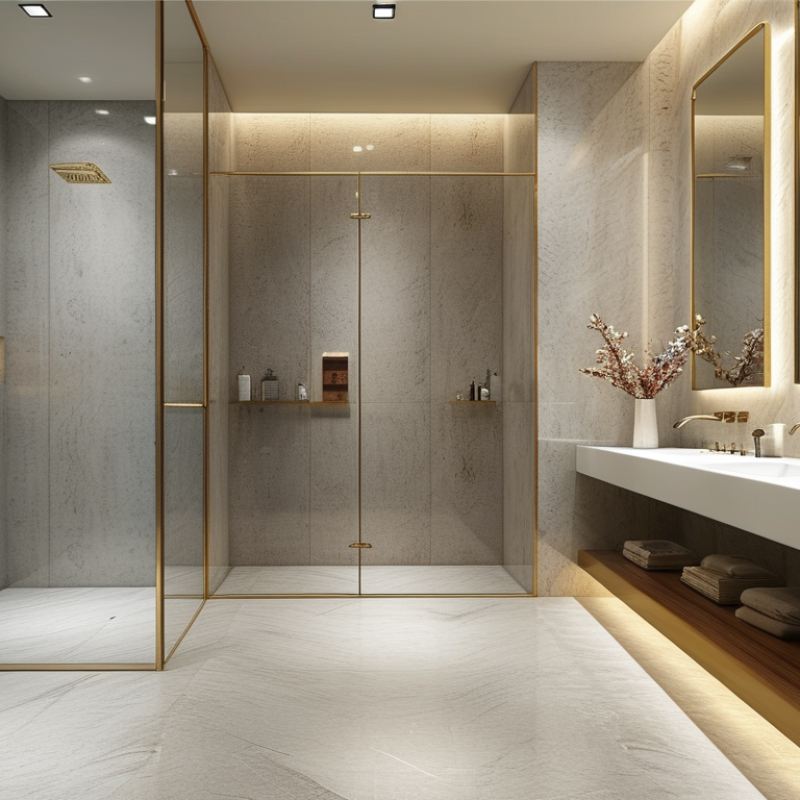
Choosing the right materials for bathroom fixtures is crucial. The materials impact durability, maintenance, and aesthetics. Consider the humidity levels in bathrooms. Wood, for example, can warp or rot. Metal fixtures may rust if not properly treated.
Look at the style of your bathroom. For a modern look, sleek materials like chrome or glass suit well. A rustic bathroom might benefit from stone or brushed bronze. Reflect on your lifestyle. Families with children may prefer materials that are easy to clean and resistant to scratches.
Durability matters as well. Some materials may be visually appealing but require constant maintenance. For instance, natural stones need sealing to prevent stains. Weigh the pros and cons of each option. Comfort and function over style can lead to wiser choices.
| Material | Durability | Maintenance | Cost | Aesthetic Appeal |
|---|---|---|---|---|
| Ceramic | High | Low | Affordable | Varied |
| Stainless Steel | Very High | Moderate | Expensive | Sleek and Modern |
| Bronze | High | Moderate | Moderate | Elegant |
| Plastic | Low | Very Low | Cheap | Basic |
| Glass | Moderate | High | Moderate | Stylish |
When choosing materials for bathroom fixtures, it's essential to understand their properties. Common materials include porcelain, brass, and fiberglass.
Porcelain is a popular choice due to its durability and ease of cleaning. It offers a smooth surface that resists staining and scratching. However, it can be prone to chipping if not handled with care.
Brass is another option that combines aesthetic appeal with strength. Its warm tones add character to any bathroom design. However, brass fixtures require regular maintenance to prevent tarnishing. This might be a downside for those seeking a low-maintenance solution.
On the other hand, fiberglass is lightweight and resistant to moisture. It can be molded into various shapes and sizes, making it versatile. Yet, its surface can be less resilient over time compared to porcelain or brass.
Choosing the right material involves weighing these properties against personal preferences. Some might prioritize aesthetics over durability. Others may focus on maintenance and long-term wear. Careful consideration of these factors can guide the decision-making process.
Choosing the right materials for bathroom fixtures is crucial. Different materials have varying durability and maintenance requirements. For instance, ceramic is popular due to its resistance to moisture. However, it can chip and crack over time. Regular inspection is necessary to ensure its longevity.
Metal fixtures, like stainless steel, offer strength and a modern look. They resist rust but can develop water stains. It's essential to wipe them down frequently to maintain their appearance. Additionally, depending on your region, moisture and humidity may affect their performance.
Wood fixtures can add warmth and character to a bathroom. Yet, wood requires careful maintenance. It must be sealed properly to prevent water damage. Over time, even the best-sealed wood can warp or discolor. Regular upkeep is crucial to keep wood fixtures looking fresh. These considerations highlight the importance of selecting materials that suit your lifestyle and bathroom conditions.
When selecting materials for bathroom fixtures, aesthetic considerations play a pivotal role. A bathroom is not just a functional space; it reflects personal style and a sense of tranquility. Choosing materials that enhance the overall design is essential.
Natural stone, like marble or granite, brings a touch of luxury. Their unique patterns can serve as focal points.
However, they require regular maintenance to preserve their beauty.
In contrast, ceramic and porcelain offer durability and a wide range of designs. They can mimic natural materials while being easier to maintain.
Matte finishes can create a softer look, while glossy surfaces add shine. The challenge is balancing beauty with practicality. For instance, while a sleek black fixture may look stunning, it could show water spots quickly and demand frequent cleaning.
Color choices matter too.
Neutral tones provide timeless elegance. Bright colors can energize the space but may feel dated over time. Overthinking the color palette can lead to regret.
Lighting also plays a crucial role in how materials are perceived. A fixture that dazzles under bright light might lose its charm in dim settings. Opting for materials based on aesthetics is an art that requires careful thought and consideration.
When selecting bathroom fixtures, cost-effectiveness is key. The type of material can greatly impact the overall budget. Common materials include ceramic, acrylic, and metal. Each has its own benefits and drawbacks.
Ceramic fixtures are durable and easy to clean. They resist stains well but can crack under pressure. Acrylic fixtures are lightweight and inexpensive. However, they may scratch easily and can fade over time.
Metal fixtures, like stainless steel, offer a modern look and longevity. Yet, they can be prone to rust if not treated properly.
Choosing the right material involves balancing cost with quality. Consider installation and maintenance costs too. While an initial investment in higher-quality materials may seem daunting, it can lead to savings over time. Reflecting on these choices ensures a more thoughtful and practical bathroom design.
: Consider durability, maintenance, and bathroom humidity levels.
Wood can warp or rot due to humidity. Proper sealing is essential for longevity.
Porcelain and fiberglass offer easy cleaning but may chip or require care over time.
Metals can rust if not treated. Regular cleaning helps maintain their appearance and durability.
Sleek materials like chrome or glass work well for a contemporary look.
Yes, but be mindful of maintenance requirements. Balancing style with functionality is key.
Brass needs regular maintenance to prevent tarnishing. It can be a hassle for some homeowners.
Ceramic is moisture-resistant but can chip or crack, needing regular checks for longevity.
Fiberglass is lightweight and versatile but may wear out more quickly than the others.
Wood must be sealed to prevent water damage. It often needs upkeep to stay in good condition.
When choosing the best materials for bathroom fixtures, several key factors should be considered. These include the durability and maintenance requirements of each material, as well as their aesthetic appeal and cost-effectiveness. Common materials such as ceramics, stainless steel, and various types of plastics have distinct properties that influence their suitability for different bathroom environments. Aesthetic considerations play a crucial role in selecting materials that not only fit the design theme but also provide longevity and ease of upkeep.
Ultimately, understanding what materials are best for bathroom fixtures involves evaluating how these factors align with personal preferences and the practical demands of the space. By carefully weighing the durability, maintenance needs, and visual appeal against cost, homeowners can make informed decisions that enhance both functionality and style in their bathrooms.

Toilvora Toilet