Bathroom renovations can be daunting. Many homeowners overlook essential details, leading to costly errors. According to a 2022 report by the National Kitchen and Bath Association (NKBA), about 30% of bathroom installations encounter significant mistakes. This statistic underscores the need to understand what are common bathroom installation mistakes and how to avoid them.
Industry expert Sarah Johnson, with over 15 years of experience in construction, states, "Attention to detail separates a successful installation from a regrettable one." Common pitfalls include poor plumbing choices, incorrect tile measurements, and inadequate ventilation. These issues not only create functional problems but may also lead to extensive, costly repairs in the future.
Recognizing the importance of proper planning is crucial. For instance, inadequate drainage can cause water damage and mold growth. Failing to measure accurately can lead to mismatched fixtures. Homeowners must prioritize thorough research and seek professional guidance when needed. Understanding what are common bathroom installation mistakes can ultimately save you time, money, and stress.
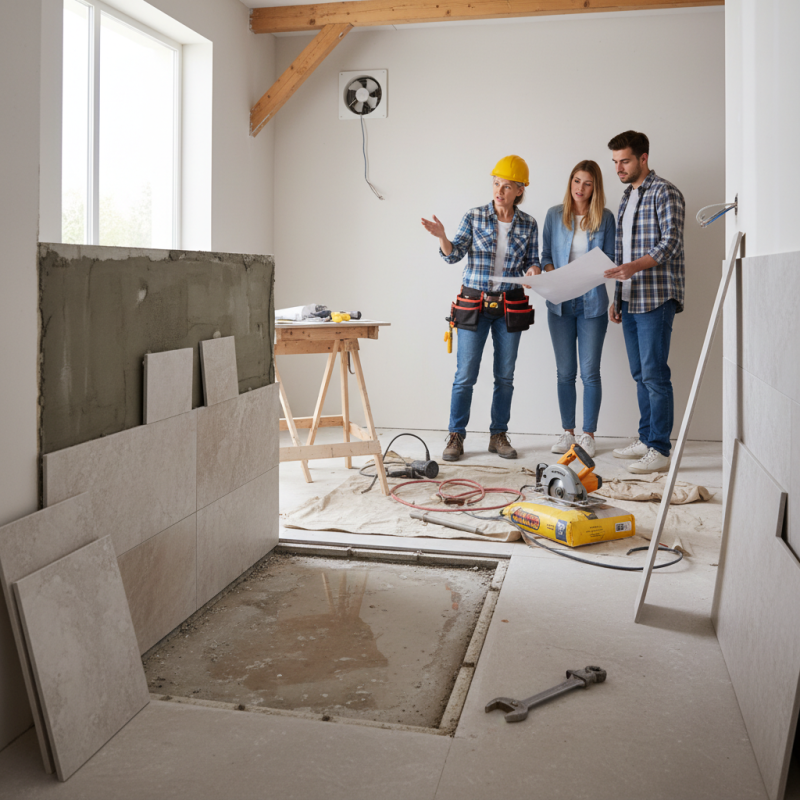
When designing a bathroom layout, avoiding common planning errors is essential for functionality and aesthetics. According to industry data, a poorly designed bathroom can reduce its usability by 35%. One major mistake is neglecting adequate space for maneuverability. Ensure there’s at least 30 inches of clear space in front of each fixture. This allows for comfort and accessibility, particularly in small bathrooms.
Another common error is miscalculating plumbing requirements. Placing fixtures too far from existing plumbing can lead to costly renovations and increased water bills. A study from the National Kitchen and Bath Association indicates that unnecessary plumbing alterations can inflate project costs by 25%. To avoid this, always consult with a professional on the layout.
Tips: Visualizing your layout with mock-ups can help identify potential issues early. Always consider how the layout flows with your daily routine. Think about lighting placement as well; it influences perception of space. Ensure that the design also accommodates future needs, especially if you plan to stay in your home long term. Remember, the goal is to create a bathroom that not only looks great but works efficiently too.
Choosing the right plumbing fixtures is crucial for any bathroom installation. A report from the Plumbing Manufacturers International highlights that over 30% of homeowners regret their fixture choices. Common mistakes include selecting styles that don't match the bathroom's overall design. For instance, a modern sink may clash with a vintage décor, creating an awkward visual.
Placement is equally significant. Installing a toilet too close to the wall can make cleaning difficult. A study by the National Kitchen and Bath Association indicates that proper spacing can enhance comfort and accessibility. Ideally, a minimum clearance of 15 inches from the center of the toilet to any side wall is recommended. Many homeowners overlook this detail, leading to inconveniences that could easily be avoided.
Selecting the wrong size for fixtures is another frequent issue. Showers that are too small can feel cramped, while oversized tubs might dominate the space. A survey from Houzz found that nearly 25% of respondents expressed dissatisfaction with fixture sizes. These decisions impact both functionality and aesthetic appeal in the long run. It’s vital to carefully consider these factors to avoid costly adjustments later on.
| Mistake | Description | Consequence |
|---|---|---|
| Improper Fixture Size | Choosing fixtures that are too large or too small for the space | Can lead to cramped spaces or unbalanced aesthetics |
| Wrong Plumbing Layout | Poor planning of the plumbing system | Can result in leaks, blockages, and excessive costs for repairs |
| Neglecting Water Pressure | Failing to check water pressure before installation | May cause fixture failure or underperformance |
| Improper Ventilation | Not installing vents for plumbing fixtures correctly | Can lead to odors, mold growth, and air quality issues |
| Ignoring Accessibility | Failing to consider the accessibility needs of users | May restrict use for people with mobility issues |
Proper ventilation is crucial in a bathroom. Many homeowners overlook this essential aspect, leading to problems. Without adequate airflow, moisture can build up, causing mold growth. This not only affects your bathroom's appearance but also can lead to health issues.
Ignoring moisture control can be detrimental. Pay attention to the installation of exhaust fans. Choose models that effectively remove humid air. Ensure they are vented outside, not into your attic. This step is often forgotten but is vital for maintaining a healthy environment.
Here are some tips to enhance ventilation:
When planning a bathroom installation, many overlook the importance of lighting and electrical needs. Proper illumination can enhance functionality and aesthetics. A dimly lit room often feels cramped and uninviting. Ensure you choose fixtures that provide adequate light without overwhelming the space.
Consider layering your light sources. A combination of ambient, task, and accent lighting can create an inviting atmosphere. Install bright lights near mirrors for grooming tasks. Dimmers can help adjust mood and utility.
Pay attention to outlets as well. Position them strategically for convenience, especially near countertops and vanities. It’s easy to neglect the placement of electrical features during the design phase, but doing so can lead to frustration later. Think about safety measures too. GFCI outlets are crucial in wet areas to prevent electrical hazards.
Tips:
Bathroom renovations often lead to costly errors, primarily due to underestimating the budget and timeline. Research shows that about 35% of homeowners exceed their initial renovation budget. This indicates a disconnect between projected and actual expenses. Accurately estimating costs can be challenging, especially when unexpected issues arise. Hidden plumbing problems or outdated wiring can inflate costs significantly.
Time is another critical factor. A study by the National Kitchen & Bath Association found that 50% of remodels face delays. Many underestimate the duration required for permits, material sourcing, or labor. Homeowners should expect renovations to take longer than planned. Waiting for deliveries can add weeks to a project.
Many attempt to save money by handling tasks they aren't skilled at. While DIY can reduce costs, it often leads to poor-quality work. A survey revealed that 25% of DIY renovations require professional intervention later. This leads to additional expenses. A thorough understanding of time and budget is crucial before starting. Planning is key to avoid common pitfalls.
: Proper ventilation helps prevent moisture buildup, which can lead to mold growth and health issues.
Open windows when possible, use dehumidifiers, and regularly check for plumbing leaks.
Select models that effectively remove humid air and ensure they vent outside, not into your attic.
Use a mix of ambient, task, and accent lighting. Bright lights near mirrors enhance functionality.
Strategically positioned outlets improve convenience, especially near countertops and vanities, preventing frustration later.
Install GFCI outlets in wet areas to prevent electrical hazards and enhance safety.
Many underestimate renovation costs, leading to excess spending when unforeseen issues arise.
Homeowners often underestimate the duration for permits and material sourcing, causing project delays.
Many DIY projects end up needing professional help later, which can lead to higher overall costs.
A thorough understanding of your time and budget can help avoid common pitfalls during the process.
When considering a bathroom installation, it’s crucial to understand what are common bathroom installation mistakes to avoid for a successful outcome. A significant error is poor planning in the bathroom layout, which can lead to inefficiencies. Additionally, the improper selection and positioning of plumbing fixtures can create functionality issues. Adequate ventilation and moisture control measures are often neglected, which can cause mold and damage over time.
Furthermore, it’s essential not to overlook the lighting and electrical needs, as these elements play a vital role in the usability of the space. Lastly, underestimating the budget and timeline for renovations can lead to stress and incomplete projects. Being aware of these common pitfalls can help ensure a smoother bathroom installation process.

Toilvora Toilet