How to Install Bathroom Systems Efficiently for Best Results?

Time:2026-06-01 Author:Oliver
0%

In the realm of home renovation, efficiently installing bathroom systems is essential for achieving optimal results. A recent industry report from the National Association of Home Builders emphasizes that nearly 75% of homeowners seek upgrades to enhance their bathrooms. This rise in demand underscores the urgency of mastering "how to install bathroom systems efficiently." According to expert Richard Turner, a renowned bathroom designer, “Precision in installation directly impacts functionality and aesthetics.” His insights highlight the significance of a structured approach.

Efficient installation not only saves time but also reduces costs. However, challenges can arise, such as misalignment and improper sealing. These common pitfalls can lead to future repairs. Understanding the intricacies of plumbing and electrical systems is crucial. By prioritizing training and employing the right tools, homeowners and professionals can mitigate these issues.

In an era where DIY projects are on the rise, engaging with proven methods is vital. Knowledgeable installers can adapt techniques tailored to specific layouts and designs. As industry reports suggest, careful planning can increase overall satisfaction. Failing to address the unique aspects of each bathroom can result in less than desirable outcomes. Therefore, mastering "how to install bathroom systems efficiently" will lead to superior performance and durability in every project.
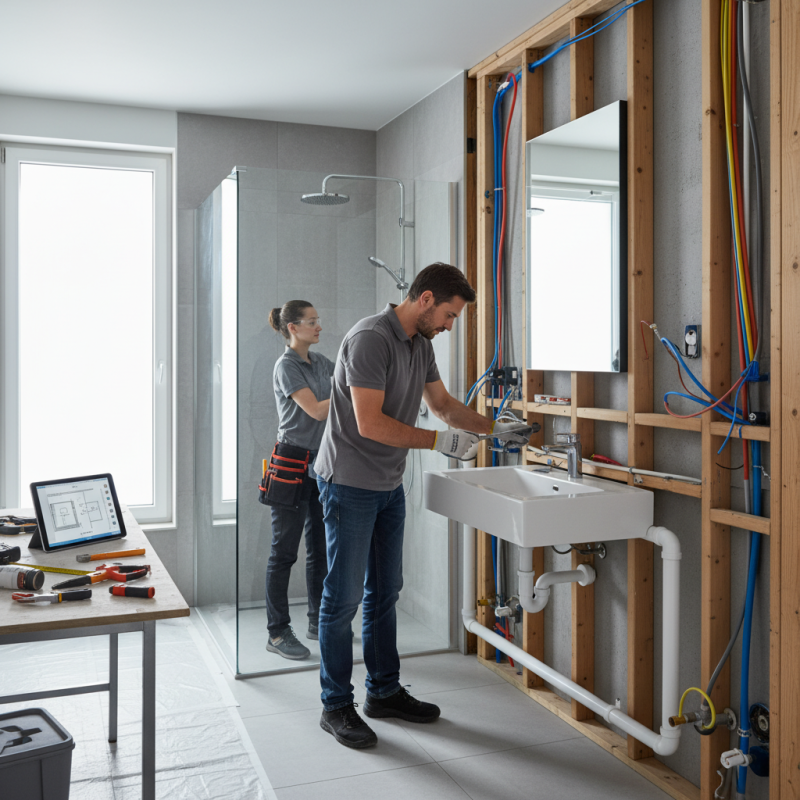
How to Install Bathroom Systems Efficiently for Best Results?

Understanding Bathroom Systems and Their Components

Understanding bathroom systems is key to achieving a functional space. These systems involve plumbing, electrical, and ventilation components. Each element plays a crucial role in ensuring comfort and efficiency. For instance, proper plumbing design prevents leaks and water damage, while electrical setups ensure safe lighting and appliance operation. Ventilation is often overlooked but essential for reducing humidity and maintaining air quality.

Many homeowners underestimate the complexity of bathroom systems. Common issues arise when improper ventilation leads to mold growth. It’s vital to select components that work well together. For example, a strong exhaust fan can significantly enhance air circulation. Additionally, using high-quality pipes prevents rust and leaks, extending the system's life.

Installation can be tricky. Mistakes may occur if instructions are not followed closely. Some components might not fit perfectly, even if they seem compatible. Regular checks on system performance are also necessary. A well-installed bathroom system should be efficient, but ongoing maintenance is required. Understanding these components allows for better decision-making, leading to a truly successful installation.

Preparing for Installation: Tools and Materials Needed

When preparing for bathroom system installation, having the right tools and materials is crucial. Begin by gathering essential tools like a tape measure, level, drill, and adjustable wrench. These items will assist in ensuring accuracy and effectiveness during the installation. Additionally, having a utility knife, pliers, and screwdrivers on hand will streamline the process. It's important to check that all tools are functioning properly to avoid delays.

Materials play a significant role in achieving the best results. You'll need plumbing supplies such as pipes, connectors, and fittings. Quality adhesive and sealant are also essential. These materials help prevent leaks and ensure durability. Consider purchasing items that are compatible with your existing systems. Sometimes, mismatched components can lead to frustration and costly mistakes.

While you may feel prepared, anticipate some unexpected challenges. For instance, old plumbing may not cooperate as expected. Be ready for minor adjustments during installation. It’s okay to pause and reassess your approach if things don’t go as planned. Embrace the learning curve. Each installation adds to your experience and skills, leaving you better equipped for future projects.

Step-by-Step Guide to Installing Bathroom Fixtures

Installing bathroom fixtures can seem daunting, but with the right approach, it becomes manageable. Begin by gathering your tools: a wrench, screwdriver, and level. Make sure to turn off the water supply. Measure the space carefully to ensure the fixtures fit perfectly. Accurate measurements help avoid frustrating adjustments later.

When installing a sink, it's crucial to level it. A slanted sink can cause water to pool, leading to leaks. Consider using silicone sealant to secure the sink without gaps. For toilets, ensure the flange is aligned correctly. Improper alignment can cause wobbling or leaks. After installation, check for any potential leaks. Take your time with this step; a small oversight can lead to bigger repair issues down the line.

Patience is key throughout the process. If something doesn't feel right, pause and reassess. Rushing may lead to mistakes that are difficult to fix. Document the installation steps for future reference. This habit builds your experience for next time. Each project, even if imperfect, adds to your skills.

Ensuring Proper Plumbing and Electrical Connections

Proper plumbing and electrical connections are crucial for any bathroom installation. Research indicates that approximately 30% of plumbing issues stem from improper installation. Ensuring that pipes are securely fastened and sealed can prevent water leaks. One common mistake is neglecting the slope on drain pipes. A slope of 1/4 inch per foot helps facilitate proper drainage, reducing clogs and backups.

Electrical planning is equally important. Many homes are built with standard wiring configurations, yet bathroom installations may require adjustments to accommodate new fixtures. Seventy-five percent of bathroom remodels experience electrical issues, often due to inadequate circuit capacity. It's essential to assess existing electrical systems before proceeding. Overloading circuits can lead to serious hazards.

Moreover, the installation process can reveal unexpected challenges. For instance, discovering outdated plumbing can complicate installation. Homeowners may struggle with unexpected costs when retrofitting existing systems. Accessibility can limit the effectiveness of modifications. Understanding these potential pitfalls can lead to more efficient and safer installations. Careful planning and professional oversight can enhance the overall outcome.

How to Install Bathroom Systems Efficiently for Best Results?

Component Installation Steps Tools Required Tips for Success
Toilet 1. Turn off water supply.
2. Remove old toilet.
3. Install wax ring.
4. Secure toilet to the floor.
5. Connect water supply.
Wrench, Screwdriver, Level Ensure the flange is level to prevent leaks.
Sink 1. Prepare plumbing lines.
2. Install faucet.
3. Set sink in place.
4. Connect drainage pipes.
Pipe Wrench, Caulking Gun, Screwdriver Use plumber's putty for watertight seals.
Shower System 1. Install shower valve.
2. Attach shower head.
3. Verify water pressure and temperature.
Adjustable Wrench, Screwdriver Check for leaks after installation.
Lighting Fixtures 1. Turn off electricity.
2. Install the mounting bracket.
3. Connect wires.
4. Attach fixture.
Wire Strippers, Screwdriver Use a voltage tester to ensure power is off.

Tips for Finalizing Installation and Maintenance Checks

Finalizing the installation of bathroom systems requires careful attention to detail. First, check all the connections to ensure they are tight and leak-free. According to the National Kitchen and Bath Association, 75% of plumbing issues arise from improper fittings. This highlights the need for a thorough inspection after installation.

Regular maintenance checks are equally vital. Experts recommend inspecting seals and joints every six months. Neglecting these checks can lead to costly repairs down the line. In fact, a study by HomeAdvisor reported that homeowners spend an average of $400 annually on bathroom repairs caused by maintenance neglect.

Cleaning fixtures regularly also enhances longevity. Use non-abrasive cleaners to avoid damaging surfaces. Painting or caulking may be necessary to refresh worn areas. Not addressing minor issues can escalate into larger problems, resulting in wasted time and expenses. Ensuring a proactive approach can significantly enhance your bathroom's functionality and durability.

Installation Efficiency of Bathroom Systems

This chart displays the efficiency of various bathroom systems installations based on time taken and effectiveness scores.

FAQS

: Why is understanding bathroom systems important?

: Understanding bathroom systems ensures a functional space and enhances comfort and efficiency.

What major components are involved in bathroom systems?

Key components are plumbing, electrical setups, and ventilation systems.

How does proper plumbing design benefit a bathroom?

Proper plumbing design helps prevent leaks and water damage, extending the system's life.

What are common issues with bathroom ventilation?

Improper ventilation often leads to mold growth and poor air quality.

What mistakes are frequently made during installation?

Common mistakes include ignoring installation instructions and misjudging component compatibility.

How can electrical issues arise during bathroom installations?

Electrical problems often occur due to inadequate circuit capacity or outdated wiring.

Why is regular maintenance important for bathroom systems?

Regular checks ensure efficient performance and help catch potential problems early.

What is a common oversight in drain pipe installation?

Neglecting to maintain a proper slope in drain pipes can lead to clogs.

How can homeowners prepare for unexpected installation costs?

Assessing existing systems beforehand can help avoid surprises during installation.

What role does professional oversight play in bathroom installations?

Professional oversight can identify pitfalls and enhance the installation outcome significantly.

Conclusion

When considering how to install bathroom systems efficiently, it's essential to understand the various components involved. This involves familiarizing oneself with the different fixtures and their functions. Proper preparation is critical, requiring the right tools and materials to ensure a smooth installation process. Following a step-by-step guide can help streamline the installation of bathroom fixtures, allowing for a more systematic approach.

Moreover, ensuring that plumbing and electrical connections are correctly established is vital for the sustainability of your bathroom systems. After installation, conducting thorough maintenance checks and following practical tips can help prolong the life of your fixtures. By adhering to these guidelines, one can achieve a functional and aesthetically pleasing bathroom while mastering how to install bathroom systems efficiently.

Oliver

Oliver

Oliver is a seasoned marketing professional with a wealth of expertise in driving brand awareness and engagement. With a deep understanding of our company's product offerings, he consistently delivers high-quality content that enriches our professional blog. His insights not only shed light on......