What Affects Flushing Performance Best Practices Revealed?

Time:2026-06-19 Author:Madeline
0%

Flushing systems play a crucial role in various industries, impacting efficiency and safety. However, understanding what affects flushing performance can be challenging. This article explores best practices that enhance flushing effectiveness. Knowledge in this area is vital for operators and engineers seeking to optimize their processes.

Numerous factors influence flushing performance. These include system design, fluid characteristics, and maintenance routines. Each aspect affects overall effectiveness. Ignoring these elements can lead to operational issues. It's essential to analyze flushing systems thoroughly to identify areas of improvement.

Through diligent observation and measurement, operators can enhance their flushing protocols. Performance assessments should be regular. This creates a culture of continuous improvement. While there is much information available, not all practices are effective. Hence, a tailored approach is necessary.
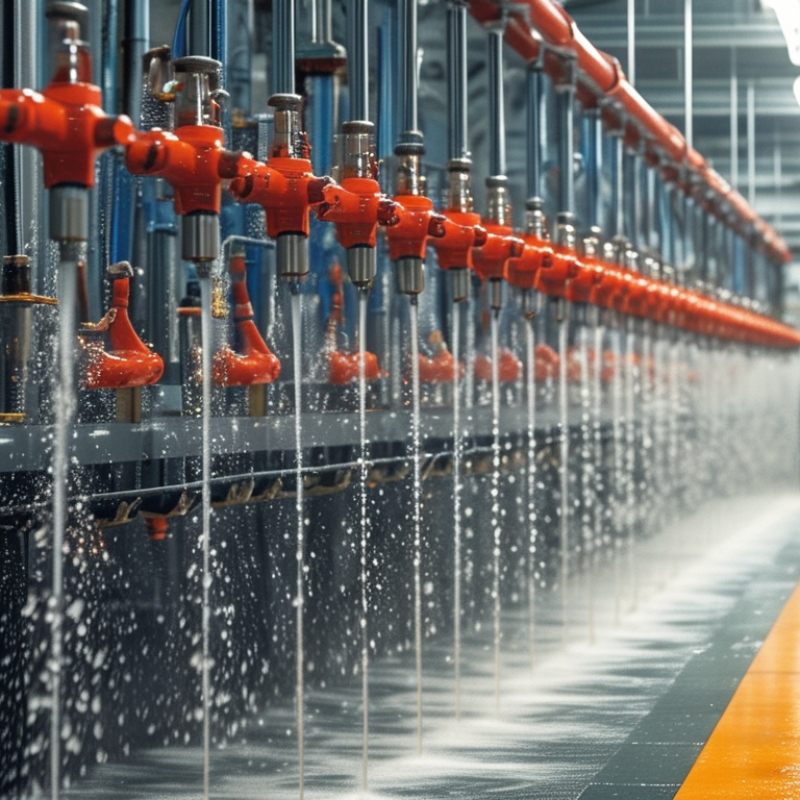
What Affects Flushing Performance Best Practices Revealed?

Factors Influencing Flushing Performance: An Overview of Key Variables

Flushing performance is influenced by several key variables. Understanding these factors is crucial for optimizing efficiency in various systems. Water pressure plays a significant role. Higher pressure can enhance flushing power, but excessive pressure can cause leaks. Finding the right balance is essential.

Another important factor is the design of the flushing system itself. Different systems have unique geometries and flow dynamics. For instance, curves and angles can disrupt water flow, reducing effectiveness. Regular assessments are vital to identify potential bottlenecks in the design.

Maintenance also cannot be overlooked. Accumulation of debris or mineral build-up can impair performance. Routine inspections help identify and resolve issues before they escalate. Moreover, operator training plays a crucial role. Understanding the system and knowing how to respond to issues can improve overall flushing performance. These considerations highlight the complexity of achieving optimal flushing performance in any environment.

Impact of Water Quality on Flushing Efficiency: A Data-Driven Analysis

Flushing efficiency is significantly influenced by water quality. The presence of sediments, minerals, and organic matter can impede the flushing process. Data reveals that high levels of turbidity reduce the effectiveness of flushing. Poor water quality can lead to increased operational costs. Water testing is crucial to understand its impact on flushing performance.

Analyzing the data, we find patterns that show the correlation between flush intervals and water quality. Clean water generally leads to better performance. However, flushing systems are often not adjusted according to water quality variations. This oversight can create inefficiencies. Not addressing changes in water quality can result in missed opportunities for optimization.

Improvements are possible by monitoring water characteristics regularly. Operators need to be prepared for fluctuations in quality. The aim should be to develop strategies that adapt to these changes. Implementing better practices based on data-driven insights can enhance flushing efficiency. Reflecting on existing methods might highlight areas needing improvement. Each detail counts in achieving best practices for flushing performance.

Role of System Design and Layout in Optimizing Flushing Performance

System design and layout greatly influence flushing performance across various industries. Poor layouts can lead to inefficiencies, causing flushing times to exceed acceptable limits. According to a recent industry report, nearly 30% of flushing performance issues stem from inadequate system design. Optimizing pipe diameters and lengths is essential. For instance, longer and narrower pipes increase friction, leading to slower flow rates.

Another critical aspect is the placement of fixtures. Fixtures should be strategically located to minimize the distance flushing cycles travel. Studies show that reducing this distance by just 10% can improve performance by approximately 15%. Moreover, the integration of automatic controls can further enhance efficiency. Effective monitoring systems can adjust flushing rates based on usage patterns, offering a customized approach to each situation.

Despite these strategies, some design challenges remain. Many systems still operate under outdated configurations. Over time, these inefficiencies accumulate, leading to significant performance degradation. Review and reevaluation of existing layouts are vital. Industry experts recommend regular audits to identify weaknesses that impact overall performance. These steps can foster a more efficient and effective system over time.

Best Practices for Routine Maintenance to Enhance Flushing Effectiveness

Routine maintenance is essential for enhancing flushing effectiveness. Equipment must be regularly inspected to identify any issues. Neglecting these checks can lead to poor performance. For instance, sediment buildup can obstruct pipes, reducing flow rates. Regular cleaning can mitigate these problems before they escalate.

Different flushing techniques should be evaluated based on system conditions. Experimenting with various flushing patterns can help determine the best method for your setup. Additionally, staff training is vital. Ensuring everyone understands the flushing procedures protects the integrity of the system.

Monitoring and documenting flushing results is crucial. It helps in identifying trends and making necessary adjustments. Error patterns may emerge during evaluation, signaling the need for intervention. Addressing these issues can significantly enhance overall performance. Regularly revisiting and refining your flushing strategies leads to long-term effectiveness.

Case Studies: Successful Flushing Performance Improvements in Various Industries

Flushing performance is crucial across various industries. Case studies illustrate how organizations improve efficiency and productivity through strategic changes. One manufacturing plant revamped its flushing process. By analyzing flow rates and equipment wear, they identified bottlenecks that slowed down operations. They discovered that proper training of staff improved their handling of flushing systems significantly.

Another case involved a healthcare facility focusing on sanitation standards. They implemented a rigorous review of their flushing protocols. Employees received regular training sessions on best practices. This not only enhanced their understanding but also ensured compliance with regulations. Despite these improvements, the facility faced challenges in maintaining consistent performance across shifts. Regular audits revealed gaps in staff adherence to new techniques.

One technology company took a different approach, using data analytics for optimization. Through real-time monitoring, they recorded flushing cycles and identified cycles that exceeded average times. This approach fostered a culture of continuous improvement. However, it also required ongoing training to address resistance from some employees. Performance metrics alone could not drive change without proper engagement and support.

Flushing Performance Improvements by Industry

FAQS

: What factors affect flushing efficiency?

: Flushing efficiency is affected by water quality, including sediments and minerals present in the water.

How does water quality impact flushing performance?

High turbidity levels can reduce flushing effectiveness and increase operational costs.

Why is water testing important?

Water testing helps understand the impact of water quality on flushing performance.

How can system design influence flushing performance?

Poor system layouts can lead to inefficiencies and longer flushing times.

What role do pipe diameters play in flushing?

Longer and narrower pipes increase friction, which slows down flow rates.

How can fixture placement improve flushing efficiency?

Minimizing the distance fixtures must flush can significantly enhance performance.

What strategies can optimize flushing systems?

Regular monitoring of water characteristics and adjusting systems based on data can enhance efficiency.

What challenges do designs face?

Outdated configurations can lead to inefficiencies over time, requiring regular reevaluation.

How do case studies illustrate flushing improvements?

Organizations often revamp processes through data analysis and staff training to enhance performance.

What ongoing issues do facilities face after improvements?

Maintaining consistent flushing performance can be challenging across different shifts and staff adherence.

Conclusion

The article titled "What Affects Flushing Performance Best Practices Revealed?" explores various factors that significantly influence flushing performance across different systems. Key variables such as water quality, system design, and layout play crucial roles in optimizing efficiency. A data-driven analysis highlights how water quality impacts flushing efficiency, while a thorough examination of system design reveals how thoughtful layouts can enhance flushing outcomes.

In addition to these factors, the article emphasizes best practices for routine maintenance that can further improve flushing effectiveness. By incorporating insights from case studies showcasing successful performance improvements in various industries, the article provides a comprehensive understanding of what affects flushing performance. These insights equip stakeholders with actionable strategies to enhance their flushing systems, ensuring optimal functionality and efficiency.

Madeline

Madeline

Madeline is a dedicated marketing professional with a wealth of expertise in our company's core offerings. With a keen understanding of the industry, she brings a unique perspective to her role, consistently delivering high-quality content that highlights the superior aspects of our products. As......