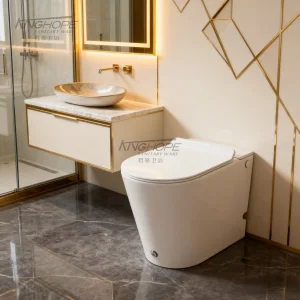
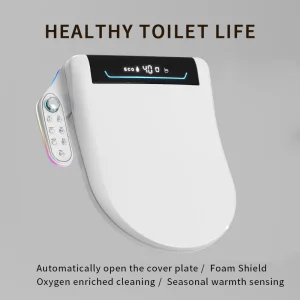
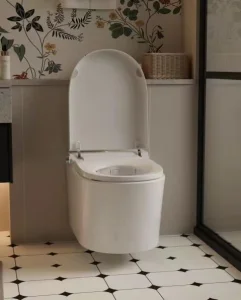
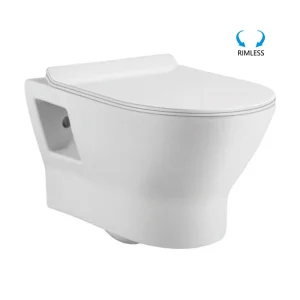
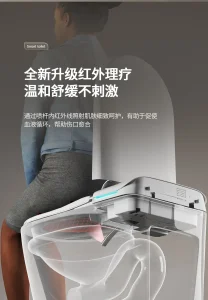
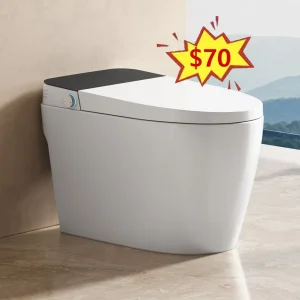
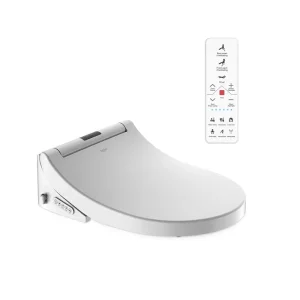
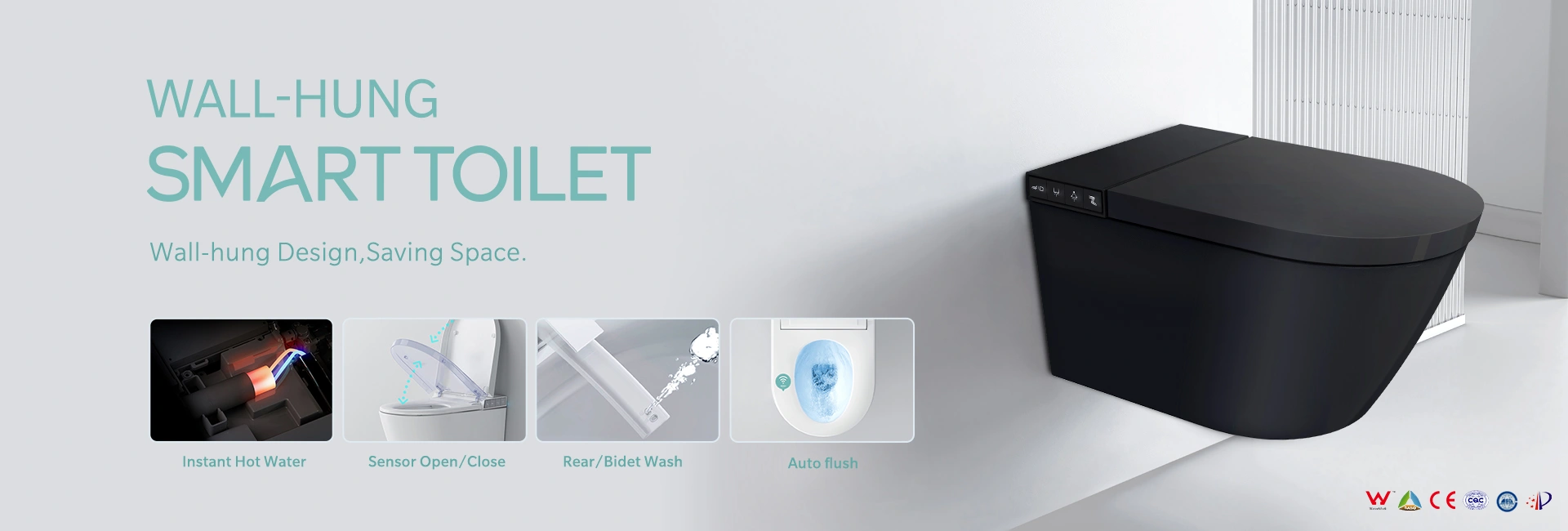
Explore our cutting-edge range of smart WC solutions, low-pressure pulse solenoid toilets, and concealed flush systems engineered for modern architecture.
In modern architectural design, urban planning, and high-density commercial real estate development, the choice of sanitary infrastructure has shifted from simple utility to highly specialized, efficient, and technologically integrated systems. Non-invasive toilet technologies—encompassing smart tankless systems, low-pressure solenoid pulse flushing, and concealed space-saving cistern designs—represent the forefront of this evolution. These systems minimize structural disruption (non-invasive core drilling, plumbing shifts, and wall alterations) while delivering superior water-use efficiency, hygiene, and user comfort.
“By optimizing fluid dynamics, electrical isolation, and ergonomic structural engineering, modern non-invasive toilets dramatically reduce total cost of ownership (TCO) for developers while exceeding global sustainability mandates.”
Global distributors, commercial project managers, and real estate developers face a strict matrix of demands when sourcing sanitary ware. Enterprise-level procurement must secure products that satisfy stringent local environmental codes, maintain low failure rates under high-frequency usage, and streamline integration with modern smart home or commercial building management systems (BMS). Non-invasive toilet systems mitigate risks associated with pipe diameter constraints, variable water pressure conditions, and complex electrical code compliances in diverse jurisdictions.
Moreover, modern real estate models require retrofitting existing concrete buildings. Traditional gravity-fed systems demand substantial under-slab clearance and mechanical drainage modifications. Conversely, advanced tankless smart toilets utilize specialized pressure-assist technologies or integrated booster pumps, bypassing the need for major floor penetrations or plumbing alterations. For developers, this translates to faster installation times, decreased labor costs, and reduced risk of structural water leakage.
China has established itself as the global epicenter for smart bathroom innovation and manufacturing. The industrial clusters situated in Foshan, Chaozhou, and Xiamen offer unparalleled supply chain integration, uniting raw ceramic formulation, precision electronics manufacturing, micro-component injection molding, and rigorous quality testing inside highly localized geographic ecosystems. Dongguan Toilvora Toilet Co., Ltd. capitalizes on this unique network by concentrating production bases in these key hubs, guaranteeing structural stability and raw material traceability.
By leveraging advanced automation—including robotic glazing, high-temperature computer-controlled shuttle kilns, and automated pressure testing lines—manufacturers can achieve consistency that traditional artisanal production cannot match. This integrated supply chain reduces lead times for bulk custom orders, shields international buyers from localized disruption, and permits high customization flexibility (OEM/ODM) to meet specific market regulations, such as ADA compliance in North America or SASO standards in the Middle East.
How cutting-edge engineering resolves pressure limitations, hygiene concerns, and structural footprint challenges.
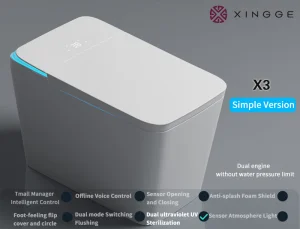
Equipped with integrated micro-booster pumps and pulse-solenoid valves, these systems execute powerful centrifugal vortex flushes regardless of dynamic municipal water pressure.
Medical-grade UV-C sterilization, antimicrobial glaze treatments, and mechanical anti-siphon backflow preventers maintain pristine safety standards, shielding potable water lines.
Eco-friendly dual-flush hidden tanks and smart seats reduce consumption down to 3.8/4.8 liters per flush (LPF), fully satisfying EPA WaterSense and LEED certification goals.
The implementation of non-invasive sanitary ware varies dramatically by regional architecture, local zoning laws, and specific building classifications:
Your Strategic Manufacturing Partner in High-Performance Sanitary Ware and Bidet Technology
Founded in 1997 and headquartered in the design hub of Foshan, China, Dongguan Toilvora Toilet Co., Ltd. has spent over a quarter-century establishing itself as a global leader in high-performance sanitary ware. With extensive manufacturing complexes situated in the key production centers of Foshan, Chaozhou, and Xiamen, we maintain strict control over every stage of product creation—from structural design and raw ceramic firing to custom electronics integration and final assembly.
We are a recognized National High-Tech Enterprise and a designated "Specialized and New" enterprise. Our engineering team actively shapes industry benchmarks, serving as key contributors to the drafting of China’s smart toilet water-efficiency standards. Our commitment to technology-driven growth guarantees our partners access to the most advanced sanitary systems available.
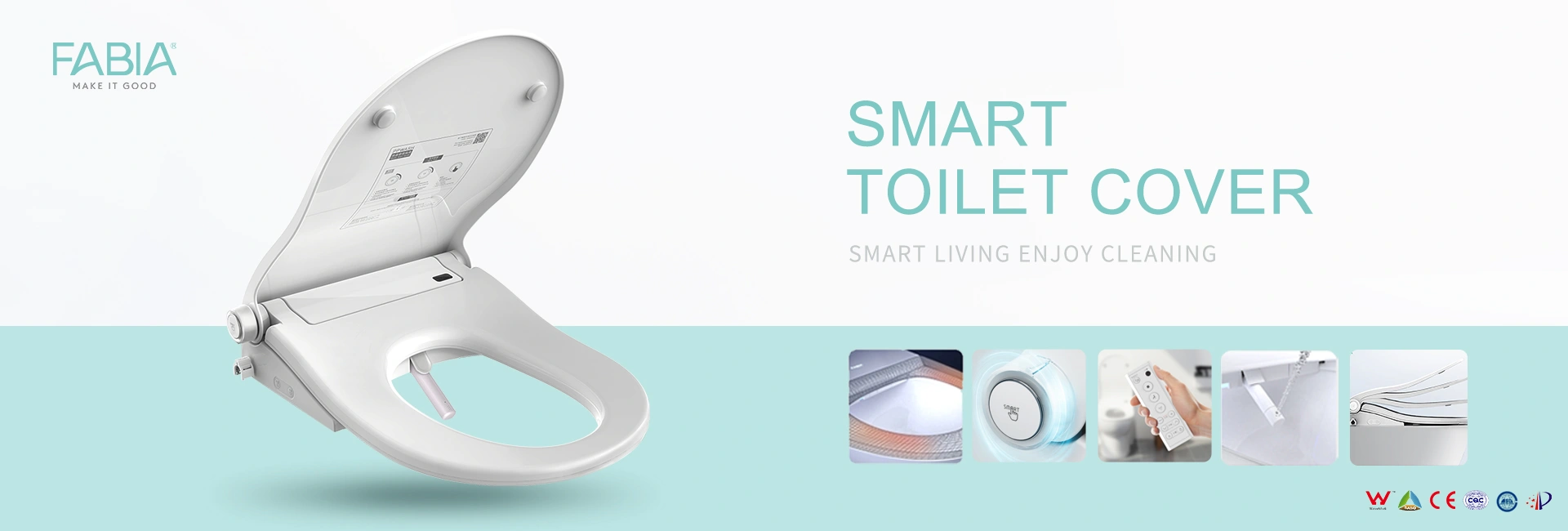
Toilvora holds nearly 100 technology and design patents, verifying our relentless drive for proprietary engineering breakthroughs. To secure seamless integration into international markets, we maintain a comprehensive portfolio of international certifications, including CE, cUPC, WaterMark, and others, meeting the structural and safety requirements of over 30 countries and regions, including Europe, Central Asia, and the Middle East.
Guided by our operational philosophy of "Smart, Space, System," we offer deep OEM and ODM customization. Whether adapting electrical frequencies for the North American grid, customizing control interfaces for hospitality projects, or developing specialized low-consumption concealed cisterns, Toilvora provides reliable quality, fast logistics, and comprehensive engineering support.
The sanitary ware industry is undergoing a digital revolution. Next-generation smart toilets will transcend standard cleaning functions to become central health-monitoring nodes within the home. Research is underway on integrated sensors capable of performing basic wellness scans, tracking user metrics, and identifying hydration shifts. Simultaneously, operational telemetry will feed back to building management systems, alerting facility managers of micro-leaks or component degradation before system failures occur.
Furthermore, circular economy mandates are shifting design criteria toward "design for disassembly." Recyclable polypropylene (PP) components, modular heating elements, and standardized ceramic mountings ensure that smart toilets can be upgraded or repaired without discarding the entire unit. As global green building initiatives (such as BREEAM and LEED) gain traction, these sustainable design strategies will become standard baseline requirements for commercial developments worldwide.
In-depth insights into water safety, pressure tolerances, certification compliance, and electrical layout configurations.
Premium options for high-efficiency renovations, modern minimalism, and custom industrial designs.
 Toilvora Toilet